

Décompression spinale : une révolution contre la douleur
20 novembre 2024
Décompression spinale : espoir pour l’arthrose
20 novembre 2024
IN BRIEF Spinal decompression is an innovative solution to relieve back pain, particularly those caused by herniated discs or sciatica. Available in Paris 6 and Geneva, this method helps to reduce pressure on the intervertebral discs and nerves, thus promoting healing without surgery. With its non-invasive approach, neurovertebral decompression is particularly recommended for those looking to ease their chronic pain effectively and quickly. |
Spinal decompression represents a significant advancement in the treatment of chronic back pain, especially those caused by herniated discs or discopathies. This non-invasive approach uses traction techniques to reduce pressure on the intervertebral discs and spinal nerves, thus promoting healing. Through methods like neurovertebral decompression, patients can benefit from significant relief without the need for surgery, offering a promising alternative to traditional treatments. This complex process, known for its ability to mobilize joints and relieve pain, proves to be a modern solution for those suffering from conditions such as sciatica and lower back pain, giving hope to many individuals.
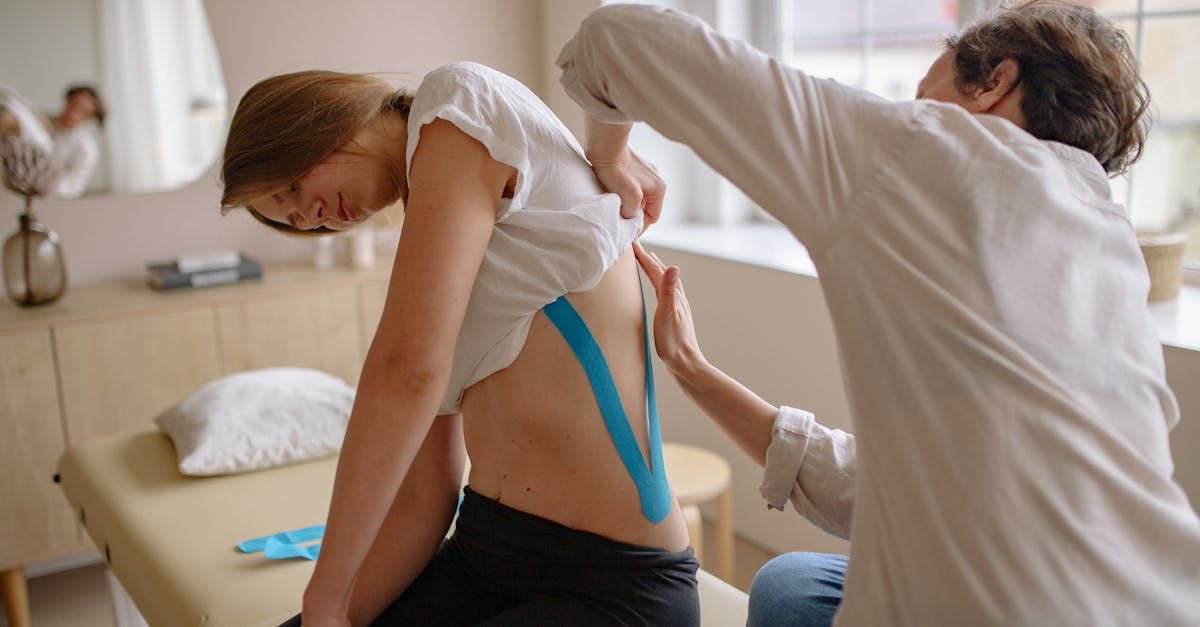
Spinal decompression emerges as an innovative method for relieving pain, particularly that caused by conditions like herniated discs. This non-invasive therapy uses traction techniques to reduce pressure on the spine and promote sustainable healing. In this article, we will explore the principles of this method, its benefits, and how it works.
What is spinal decompression?
Spinal decompression refers to a set of techniques aimed at alleviating back pain. It is particularly effective for treating issues related to intervertebral discs, such as herniated discs. By applying traction forces, this therapy creates space between vertebrae, thus reducing pressure on the nerves and surrounding tissues.
Arthrose et traitement de haute technologie à Terrebonne
Dans la région de Terrebonne, caractérisée par une population dynamique et active, l’arthrose de la colonne vertébrale demeure une cause majeure de douleurs et de limitations fonctionnelles. Cette affection dégénérative, qui touche notamment l’arthrose lombaire et cervicale, se manifeste par…
How does spinal decompression work?
During a neurovertebral decompression session, the patient is placed on a special table that allows for controlled traction to be applied to the spine. This traction opens the space between the vertebrae, helping to rehydrate the intervertebral discs and reduce inflammation. This method automates the decompression process, making treatment both effective and comfortable.
Décompression et arthrose : résultats cliniques à Montréal
En bref : Décompression neurovertébrale : une technique non chirurgicale reconnue pour sa sécurité et son efficacité dans la prise en charge de l’arthrose de la colonne vertébrale.L’arthrose lombaire et l’arthrose cervicale provoquent douleurs, raideurs et limitations motrices qui impactent…
The benefits of neurovertebral decompression
This treatment offers several advantages compared to traditional methods. First, it is a non-invasive approach, thus avoiding heavy surgical interventions. Furthermore, it can significantly reduce pain and improve the patient’s mobility, contributing to a better daily life. Additionally, it allows for faster recovery, providing hope to those suffering from chronic pain.
Arthrose et protocole complet en Rive-Nord
Souffrir d’une arthrose de la colonne vertébrale peut rapidement empiéter sur votre qualité de vie, surtout lorsque la douleur articulaire s’installe avec insistance. Sur la Rive-Nord, entre Montréal et Terrebonne, une approche novatrice s’impose face à cette condition chronique :…
Spinal decompression in practice
Spinal decompression is performed by trained professionals, including experts in manual medicine. It is crucial to consult a specialist before starting this type of treatment to ensure it is suitable for your condition. Monitoring progress is also essential in evaluating the effectiveness of the treatment and making adjustments if necessary.
Arthrose et soins non chirurgicaux à Terrebonne
Chaque année, un nombre croissant de personnes à Terrebonne et sur la Rive-Nord de Montréal font face aux difficultés engendrées par l’arthrose de la colonne vertébrale. Cette affection chronique, responsable de douleurs persistantes, d’une limitation progressive de la mobilité et…
Conclusion on spinal decompression
In summary, spinal decompression represents a significant advancement in the treatment of pain related to disc conditions. Thanks to its gentle and targeted method, it offers an attractive alternative for patients seeking to relieve their pain without undergoing surgery.
To learn more about the available options for treating your back pain, consult reliable sources such as this link or visit this site for a more detailed overview.
For specific recommendations on neurovertebral decompression, consult a healthcare professional directly.
Medical disclaimer: The information and advice provided on this site do not replace the opinion, diagnosis, or treatment of a healthcare professional. Please note that Dr. Sylvain Desforges, osteopath, is neither a doctor of medicine nor a medical doctor and is not a specialist in any medical specialty as defined by the College of Physicians of Quebec. Manual medicine, functional medicine, and sports medicine as described on this site exclude any medical treatment or diagnosis made by a physician or medical specialist. Always consult your doctor for any medical questions. For more details, please read our full Legal Notice.
- Non-invasive technique : No surgery required.
- Rapid relief : Immediate reduction of pain.
- Advanced technology : Use of automated traction.
- Herniated disc : Effective solution without invasive operations.
- Improvement in mobility : Restoration of joint function.
- Personalized care : Approach adapted to each patient.
- Reduction of spinal stress : Decreased pressure on the discs.
- Alternative to traditional treatments : Manual medicine complemented by decompression.
- Proven effectiveness : Positive results on many pathologies.
- Geographical accessibility : Available in several major cities like Paris and Geneva.

Spinal decompression represents a significant advancement in the treatment of back pain affecting a large part of the population. This non-surgical technique offers a viable alternative to conventional methods for relieving pain related to herniated discs and other vertebral issues. By mobilizing the joints and reducing pressure on the intervertebral discs, it restores better functionality of the spine while minimizing the risks associated with surgery.
Arthrose et prise en charge rapide en région métropolitaine
Dans la région métropolitaine, les nombreux patients souffrant d’articulations douloureuses et raides trouvent un soulagement précieux grâce à une prise en charge rapide alliant expertise et technologies avancées. L’arthrose de la colonne vertébrale, notamment lombaire et cervicale, impacte considérablement la…
What is Spinal Decompression?
Spinal decompression consists of a treatment method that uses decompressive forces to stretch and mobilize the spine. This mechanical therapy is particularly effective for individuals suffering from pain due to conditions such as herniated discs, sciatica, or other forms of discopathies. Through carefully measured traction, the main goal of this approach is to reduce pressure on the nerves and intervertebral discs, thus allowing for significant pain relief.
Décompression vertébrale pour arthrose : clinique reconnue à Montréal
Dans un contexte où les douleurs dorsales chroniques touchent un nombre croissant de personnes à Montréal et Terrebonne, l’arthrose de la colonne vertébrale se révèle être un défi majeur en matière de mobilité et de qualité de vie. Ce trouble…
The Benefits of Spinal Decompression
The advantages of neurovertebral decompression are numerous. First, it offers a non-invasive approach that avoids complications that can arise with surgical interventions. Additionally, patients often report rapid pain relief, contributing to improved daily quality of life. Other benefits include improved mobility, better positioning of the vertebral discs, and accelerated healing processes.
Chirurgie mini-invasive à Longueuil : intervention rapide et performante
Dans un contexte où la prévalence des douleurs rachidiennes augmente sensiblement au Québec, les patients cherchent des solutions efficaces et accessibles face aux attentes souvent longues et aux coûts élevés des interventions classiques. La chirurgie mini-invasive à Longueuil s’impose comme…
How Does Spinal Decompression Work?
The treatment of vertebral decompression involves the use of specific machines that apply precise traction to the spine. These machines allow for targeted traction that helps to release the joints, reduce pressure on the discs, and promote better blood circulation in the affected area. Over the course of several sessions, patients generally experience a gradual reduction in symptoms and a noticeable improvement in their physical condition.
Arthrose et soins complémentaires sur la Rive-Nord
L’arthrose de la colonne vertébrale représente un défi de santé majeur pour de nombreuses personnes vivant à Montréal, Terrebonne et sur la Rive-Nord. Cette affection se manifeste par la dégradation progressive du cartilage et l’apparition de douleurs chroniques, souvent associées…
Indications and Ideal Candidates
Neurovertebral decompression is particularly indicated for patients suffering from pain related to herniated discs, sciatic pain, or discopathies. However, it is essential to consult a qualified healthcare professional to determine if this technique is suitable for your specific situation. Ideal candidates are generally those who prefer to avoid surgery or who have not found relief with other therapeutic methods.
Precautions and Contraindications
Although spinal decompression offers many advantages, certain precautions must be taken. Individuals with specific medical conditions, such as vertebral fractures, acute infections, or tumors, should not consider this treatment. It is also crucial to establish an accurate diagnosis before starting sessions to avoid potential complications.
Spinal Decompression: Towards a Healthy Future
In conclusion, spinal decompression positions itself as a true revolution in the field of pain treatment. Thanks to its innovative approach, it offers a promising solution for those suffering from chronic pain without resorting to surgery. Proper medical follow-up, combined with a well-executed procedure, can allow many patients to find a pain-free life.
| Comparison Axis | Details |
| Method | Non-invasive approach using traction forces |
| Treated Conditions | Herniated disc, sciatica, lower back pain |
| Treatment Duration | Short sessions, typically 30 to 45 minutes |
| Frequency | Recommended 2 to 3 times a week |
| Side Effects | Minimal, generally a sense of relief |
| Cost | Variable depending on the practitioner and location |
| Evaluation of Results | Improvement in pain and mobility observed quickly |
| Targeting | Precise on affected intervertebral discs |
| Complementary Context | Can be combined with other manual therapies |
| Target Audience | Patients seeking an alternative treatment to surgery |

Testimonials on spinal decompression: a revolution against pain
Spinal decompression represents a major innovation in the treatment of back pain. Many patients testify to the positive impact this therapy has had on their quality of life. For example, a patient who suffered for years from a herniated disc found neurovertebral decompression to be a non-invasive alternative. After a few sessions, he observed a significant reduction in his pain.
Another individual, suffering from sciatica, expressed her relief after experiencing the decompression therapy. She mentioned that the mechanical tractions applied during the treatment helped alleviate pressure on her nerves, making the post-treatment period undeniably more pleasant. This method was a true revelation for her.
It is also interesting to note the feedback from patients who had tried multiple medications without success. Many finally find real relief thanks to this technique. A patient, who had chronic pain in the L5-S1 region, testified: “I felt like nothing would ever work. Then, I tried spinal decompression, and it changed my life.”
Healthcare professionals also support this approach, noting its effectiveness for treating various discopathies. Their testimonials confirm that neurovertebral decompression offers a modern solution that combines safety and effectiveness, allowing patients to regain a pain-free life.
In conclusion, patient testimonies highlight the relevance of spinal decompression as an innovative solution for those suffering from chronic back pain. They illustrate how this therapy makes a difference, bringing new hope to those battling daily pain.
In the field of health, spinal decompression represents a major innovation in the management of chronic pain. This non-invasive treatment is designed to alleviate pressure on the intervertebral discs, thus providing significant relief from back pain, especially those associated with herniated discs and sciatica. Through advanced techniques, spinal decompression positions itself as an effective alternative to traditional treatments, which are often invasive.
Dr. Sylvain Desforges, a renowned expert in osteopathy, naturopathy, and manual medicine, emerges as a central figure in this field. As the founding president of the TAGMED clinics and the ACMA association, he has dedicated his career to health care innovation, highlighting approaches focused on chronic pain. His expertise is manifested in the integration of advanced technologies such as spinal decompression, laser therapy, and shockwave therapy.
The principle of spinal decompression relies on the application of decompressive forces in a targeted manner. This process mobilizes the joints and reduces pressure on the intervertebral discs and spinal nerves. By promoting the stretching of the spine, this technique leads to circulatory improvement, conducive to healing and pain relief. Dr. Desforges offers evidence-based medicine, ensuring that each treatment is tailored to the specific needs of each patient.
Another fundamental aspect of vertebral decompression is its non-invasive approach. Unlike surgical interventions, which are often feared by patients, it provides a solution with minimal risk, allowing for a quick return to daily activities. This makes spinal decompression a preferred option for those suffering from chronic pain, particularly conditions such as lumbar or cervical herniated discs.
The TAGMED clinics, under the guidance of Dr. Desforges, stand out for their commitment to integrating modern care techniques that meet the demands of contemporary medicine. The goal is to provide an environment where patients feel safe and understood while benefiting from treatments that take into account the latest health advancements. Additionally, the ACMA association aims to promote these innovative practices on a larger scale by training healthcare professionals on the benefits of neurovertebral decompression.
The potential of spinal decompression lies not only in its effectiveness in relieving pain but also in its ability to improve the overall well-being of patients. By reducing pressure on the intervertebral discs, patients can experience an enhancement in their quality of life, which is the ultimate goal of any therapeutic approach. Dr. Desforges’ work demonstrates that it is possible to provide effective, evidence-based health treatments while ensuring that every patient receives personalized attention.
Mechanism of action of Pulse Align
Pulse Align relies on innovative technology that uses gentle impulse vibrations to target type 2 mechanoreceptors present in the muscles and connective tissues. This stimulation not only promotes the return of muscles to their natural state of equilibrium but also helps maintain their tone. By activating these receptors, Pulse Align contributes to encouraging better blood circulation, muscle relaxation, and neuromuscular regulation, which are key elements to alleviate the sensation of pain.
Specific advantages of Pulse Align
One of the major strengths of this non-invasive approach lies in its ability to reduce pain and improve muscle function. Through the application of vibrations, patients can observe an increase in mobility as well as an acceleration of recovery after periods of tension or pain. These effects are particularly remarkable for those suffering from chronic pain, allowing for a noticeable improvement in quality of life without resorting to heavy medical treatments.
Comparison with other treatments
When examining treatments available for pain management, Pulse Align stands out for its effectiveness and unique advantages. Unlike conventional therapies, which may require medications or invasive procedures, this technology offers a safe and gentle alternative. It proves to be more convenient for those looking to avoid the side effects of medications or the risks associated with surgery, while still providing significant relief.
Case studies or testimonials
Numerous patients who have used Pulse Align have shared positive testimonials regarding the results achieved. For instance, a patient experiencing chronic back pain reported significant improvement in mobility after a few sessions, enabling him to participate in daily activities again. These cases illustrate not only the effectiveness of this method but also reinforce its position as a revolution in pain treatment.
Spinal decompression stands out as an innovative and non-invasive technique for treating back pain, primarily resulting from disc issues such as herniated discs and sciatica. This medical approach, combining advanced technology and manual method, opens new avenues for relieving patients suffering from chronic pain that responded poorly or inadequately to traditional treatments.
By acting on the spine, neurovertebral decompression aims to reduce the pressure exerted on the intervertebral discs and spinal nerves, thus allowing for a progressive restoration of their functionality. Using precise traction techniques, this therapy not only alleviates pain but also fosters the natural healing of the spine.
This treatment has shown promising results in various contexts, whether in Paris or Geneva. Patients often report significant improvement in their symptoms, challenging more invasive approaches. The discovery of methods such as spinal decompression thus constitutes a major advancement in the field of orthopedic medicine.
It is essential to note that, although neurovertebral decompression has been praised for its ability to effectively treat symptoms, prior medical evaluation remains crucial. A healthcare professional must assess the patient’s specific conditions and establish an appropriate treatment plan, taking into account their history and personal requirements.
As modern medicine continues to evolve, spinal decompression positions itself as a treatment of choice for individuals seeking sustainable relief without resorting to surgery. It is clear that this method represents a true revolution in the management of back pain, inspiring hope and confidence for many patients.
FAQ
Décompression neurovertébrale
La décompression neurovertébrale peut-elle traiter les douleurs chroniques?
Oui, elle est particulièrement efficace pour les douleurs chroniques causées par des affections vertébrales.
En quoi consiste la décompression vertébrale?
Elle consiste à étirer doucement la colonne vertébrale pour créer une pression négative, permettant au disque de se repositionner et de réduire les compressions nerveuses.
La décompression discale est-elle adaptée aux personnes ayant des implants dans la colonne?
Cela dépend des implants; une évaluation par un professionnel de santé est nécessaire pour déterminer l’adaptabilité.
Combien de temps dure une séance de décompression discale?
Chaque séance dure généralement entre 15 et 30 minutes, selon le protocole personnalisé.
La décompression vertébrale est-elle adaptée aux personnes âgées?
Oui, elle est sûre et efficace pour les personnes âgées souffrant de douleurs chroniques de la colonne vertébrale.
La décompression discale est-elle efficace pour les bombements discaux?
Oui, elle peut aider à réduire la pression sur les disques bombés, favorisant leur rétraction.
Qu’est-ce que la décompression neurovertébrale?
La décompression neurovertébrale est une thérapie non chirurgicale visant à réduire la pression sur les disques intervertébraux et les nerfs pour soulager la douleur.La décompression neurovertébrale peut-elle aider après une chirurgie de la colonne?
Oui, elle peut être utilisée pour améliorer les résultats post-chirurgicaux, sous supervision médicale.
Puis-je ressentir une amélioration dès la première séance?
Certaines personnes ressentent un soulagement dès la première séance, bien que les résultats varient selon les patients.
Quels sont les risques de la décompression neurovertébrale?
Les risques sont faibles, mais certains patients peuvent ressentir une légère raideur temporaire après les séances.
Quels sont les bienfaits pour les sportifs utilisant la décompression neurovertébrale?
Elle aide à réduire la douleur et à accélérer la récupération après une blessure liée à la colonne.
Quels facteurs aggravent les conditions traitées par la décompression vertébrale?
Les mauvaises postures, les mouvements répétitifs et le stress sur la colonne peuvent aggraver ces conditions.
Quels types de douleurs la décompression discale peut-elle soulager?
Elle peut soulager les douleurs cervicales, lombaires et les douleurs irradiantes.
Quels problèmes de dos peuvent être traités par la décompression discale?
Elle peut traiter les hernies discales, les bombements discaux, la sténose spinale et d’autres douleurs chroniques du dos.
Quels sont les avantages de la décompression neurovertébrale par rapport aux autres méthodes non invasives?
Elle cible directement la source de la douleur en réduisant la pression sur les disques et les nerfs, offrant un soulagement durable.
Quels examens permettent de déterminer l’éligibilité à la décompression?
Une consultation clinique et des examens d’imagerie comme l’IRM sont nécessaires pour déterminer l’éligibilité.
La décompression discale est-elle reconnue par les professionnels de santé?
Oui, elle est reconnue comme une méthode efficace pour traiter les affections de la colonne vertébrale.
Quels sont les symptômes qui nécessitent une consultation pour la décompression neurovertébrale?
Des douleurs persistantes, des engourdissements, des picotements ou une perte de mobilité sont des symptômes qui justifient une consultation.
Quels sont les avantages à long terme de la décompression vertébrale?
Les avantages incluent une réduction durable de la douleur et une meilleure santé de la colonne vertébrale.
Quels sont les bienfaits de la décompression vertébrale?
Les bienfaits incluent une réduction de la douleur, une amélioration de la mobilité et une diminution des engourdissements ou picotements.
Références