Soulager la lombalgie avec la décompression vertébrale
IN BRIEF
Spinal decompression is a non-invasive method aimed at relieving low back pain by reducing pressure on the intervertebral discs. This treatment, available at [geographical location or clinic], is particularly effective for those suffering from chronic lower back pain. By gently stretching the spine, decompression promotes blood circulation and reduces pain, while being a medication-free and surgery-free approach. This therapy represents a top choice for those looking to regain their daily comfort.
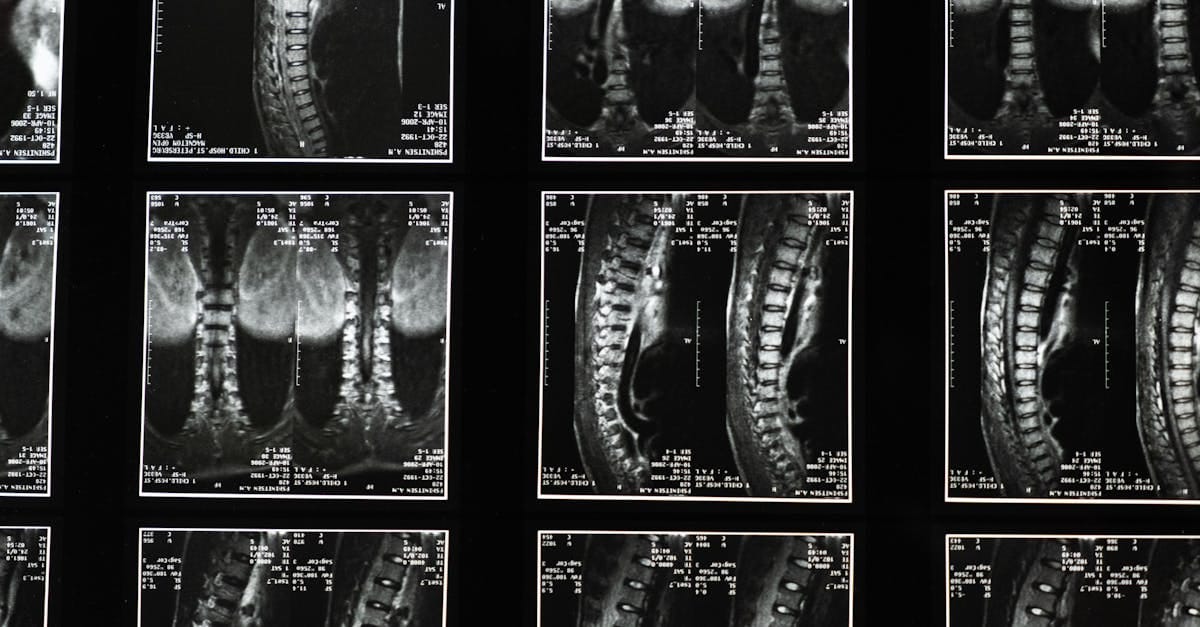
Spinal decompression is an effective non-invasive method for treating low back pain. Using traction techniques, this approach aims to relieve pressure on the joints and intervertebral discs, thus allowing for better comfort for patients suffering from back pain. It works by gently mobilizing the spine and reducing reflex muscle contractions. This treatment is particularly indicated for conditions such as disc herniation and disc disorders, providing a natural and medication-free alternative for alleviating chronic pain. Thanks to neurovertebral decompression, it is possible to improve the quality of life for those affected by persistent lower back pain.
Low back pain, or lower backache, is a common condition that affects many people. Spinal decompression presents itself as an effective option for easing this pain without resorting to medication or surgery. This article explores how this method can improve the quality of life for patients suffering from back pain.
What is spinal decompression?
Spinal decompression is a non-invasive therapeutic approach. It uses a specific device that creates decompressive forces on the spine. This technique helps mobilize the joints while relieving the pressure exerted on the intervertebral discs. Consequently, it helps reduce pain and symptoms associated with conditions such as disc herniation or chronic pain.
Dans la région de Terrebonne, caractérisée par une population dynamique et active, l’arthrose de la colonne vertébrale demeure une cause majeure de douleurs et de limitations fonctionnelles. Cette affection dégénérative, qui touche notamment l’arthrose lombaire et cervicale, se manifeste par…
En bref : Décompression neurovertébrale : une technique non chirurgicale reconnue pour sa sécurité et son efficacité dans la prise en charge de l’arthrose de la colonne vertébrale.L’arthrose lombaire et l’arthrose cervicale provoquent douleurs, raideurs et limitations motrices qui impactent…
How does decompression help relieve low back pain?
This treatment works by gently stretching the spine. This process decreases pressure on the nerves and discs, promoting blood flow and the delivery of essential nutrients. As a result, nerve irritation and inflammation decrease, reducing pain. This method is particularly recommended for those suffering from disc bulging or narrowed nerve canals.
Souffrir d’une arthrose de la colonne vertébrale peut rapidement empiéter sur votre qualité de vie, surtout lorsque la douleur articulaire s’installe avec insistance. Sur la Rive-Nord, entre Montréal et Terrebonne, une approche novatrice s’impose face à cette condition chronique :…
Chaque année, un nombre croissant de personnes à Terrebonne et sur la Rive-Nord de Montréal font face aux difficultés engendrées par l’arthrose de la colonne vertébrale. Cette affection chronique, responsable de douleurs persistantes, d’une limitation progressive de la mobilité et…
The benefits of neurovertebral decompression
There are several benefits associated with neurovertebral decompression. First, this treatment is non-invasive, meaning no surgery or anesthesia is required. Second, it can be used in conjunction with other forms of therapy to maximize results. Patients often notice a quick improvement in their condition, all without major side effects. Furthermore, the treatment can be tailored to the specific needs of the patient, making each session unique.
Dans la région métropolitaine, les nombreux patients souffrant d’articulations douloureuses et raides trouvent un soulagement précieux grâce à une prise en charge rapide alliant expertise et technologies avancées. L’arthrose de la colonne vertébrale, notamment lombaire et cervicale, impacte considérablement la…
Dans un contexte où les douleurs dorsales chroniques touchent un nombre croissant de personnes à Montréal et Terrebonne, l’arthrose de la colonne vertébrale se révèle être un défi majeur en matière de mobilité et de qualité de vie. Ce trouble…
Who can benefit from spinal decompression?
Spinal decompression is beneficial for a wide range of patients, particularly those suffering from chronic low back pain, sciatica, or pain related to disc herniation. However, it is important to consult a healthcare professional to determine if this method is suitable for your situation. This ensures that any underlying medical conditions are properly identified and treated.
Dans un contexte où la prévalence des douleurs rachidiennes augmente sensiblement au Québec, les patients cherchent des solutions efficaces et accessibles face aux attentes souvent longues et aux coûts élevés des interventions classiques. La chirurgie mini-invasive à Longueuil s’impose comme…
L’arthrose de la colonne vertébrale représente un défi de santé majeur pour de nombreuses personnes vivant à Montréal, Terrebonne et sur la Rive-Nord. Cette affection se manifeste par la dégradation progressive du cartilage et l’apparition de douleurs chroniques, souvent associées…
What to expect during a decompression session
During a spinal decompression session, the patient lies on a specially designed table. The device is then adjusted to apply traction to the spine. Sensations may vary from patient to patient, but most report a feeling of lightness and relaxation. Generally, several sessions are needed to observe significant results.
Spinal decompression presents itself as a promising method for millions of people suffering from low back pain. With its non-invasive approach, it offers an effective alternative for managing pain and improving quality of life. For more information on spinal decompression, feel free to consult dedicated resources.
To learn more about spinal decompression and its benefits, check the following sites:
“Medical disclaimer: The information and advice provided on this site do not replace the advice, diagnosis, or treatment of a healthcare professional. Please note that Dr. Sylvain Desforges, osteopath, is neither a doctor nor a physician, and is not a specialist in a medical specialty as defined by the College of Physicians of Quebec. Manual medicine, functional medicine, and sports medicine as described on this site exclude any medical treatment or diagnosis made by a doctor or medical specialist. Always consult your physician for any medical questions. For more details, please read our full Legal Notice.”
Mechanism of action: Use of decompressing forces to mobilize the joints.
Trauma: Relief of pain due to disc disorders and back pain issues.
Non-invasive techniques: Approach without surgery or medication.
Improvement of flexibility: Regaining a better range of motion.
Patient comfort: Significant reduction of pressure on the spine.
Adapted therapy: Personalized treatment based on patient assessment.
Reduction of muscle spasms: Elimination of reflex contractions related to pain.
Complementary exercises: Integration of stretching movements for increased effectiveness.
Addressing root causes: Targeting the source of pain for lasting relief.
Quick results: Observable improvement after a few decompression sessions.
I suffered from chronic low back pain for several years. After trying various treatments unsuccessfully, I decided to try spinal decompression. From the first sessions, I felt significant relief. The gentle traction technique allowed for stretching my spine, thus reducing pressure on my intervertebral discs. I am truly impressed by the effectiveness of this non-invasive method.
I started consulting a specialist in neurovertebral decompression due to unbearable pain in my lower back. Each session was a revelation. Not only did my pain decrease, but I also regained better mobility. The feeling of well-being after the treatment is incredible. I never believed that a mechanical therapy could have such an impact on my quality of life.
As an athlete, I was skeptical about the effectiveness of spinal decompression for treating my back pain. However, after several sessions, I became a staunch advocate of this approach. I noticed not only a reduction in my pain but also an improvement in my performance. I can now train without fear of injury, thanks to this therapy.
My posture was poor, which contributed to my low back pain issues. Neurovertebral decompression helped me correct these imbalances. After a few sessions, I noticed that I stood taller and my pain decreased. The results are visible, and I feel more confident in my body.
After suffering from a disc herniation, I thought my ability to lead an active life was compromised. Spinal decompression changed the game. The decompression sessions helped relieve my neuropathic pain, and I was able to resume activities that I thought were lost forever. I highly recommend this therapy to anyone suffering from chronic pain.
Low back pain, an often debilitating issue affecting millions of people worldwide, can stem from many causes, ranging from sports injuries to degenerative disorders. In the face of this public health problem, spinal decompression has emerged as an effective method for alleviating this common ailment. Unlike surgical interventions or heavy medication, this non-invasive therapy uses mechanical techniques to relieve pressure on the spine, providing relief and comfort to patients.
Spinal decompression is based on a simple biomechanical principle: it involves the application of gentle forces on the spine, promoting the stretching of intervertebral discs. By creating space between the vertebrae, this treatment reduces pressure on nearby nerves. Consequently, blood circulation is improved, and the healing process of damaged tissues is optimized. Patients often report significant reductions in pain as well as improvements in their mobility.
A key figure in the field of integrative health and spinal decompression is Dr. Sylvain Desforges, who has dedicated his career to innovation in healthcare. Expert in osteopathy, naturopathy, and manual medicine, he is the founding president of TAGMED clinics and the ACMA association. His commitment to managing chronic pain and integrating advanced technologies, such as spinal decompression, the use of lasers, and shockwave therapies, has earned him a strong reputation in his field.
In his practice, Dr. Desforges places particular emphasis on evidence-based treatments. This approach allows for effective evaluation of the effectiveness of various methods for relieving low back pain, including spinal decompression. His mission is to provide care that maximizes the health and well-being of his patients, integrating the latest technological innovations and scientific knowledge into his daily care.
Spinal decompression, although minimally invasive, requires a precise patient assessment before being proposed. The process begins with a comprehensive medical examination, followed by appropriate diagnostics to determine the severity of low back pain. Using specialized equipment, decompression therapy can be tailored to each patient, ensuring a procedure adapted to their unique needs. Thus, the results are often measurable, and patients notice significant improvements in their quality of life.
It is essential to approach lower back pain with a holistic perspective, which is why Dr. Desforges also promotes the importance of combining spinal decompression with other interventions, such as strengthening exercises, physiotherapy sessions, and lifestyle changes that promote overall well-being. Patients are encouraged to participate actively in their care journey, thereby supporting sustainable recovery from low back pain.
Relieve Low Back Pain with Pulse Align Neuromodulation Technology
Mechanism of action
The neuromodulation technology Pulse Align is designed to effectively target low back pain through the use of gentle impulse vibrations. These vibrations stimulate type 2 mechanoreceptors located in the muscles and surrounding tissues. By emitting specific vibrations, Pulse Align promotes the return of muscles to their natural state of balance and tone. This mechanism of action allows for decompression of the spinal structures, thus reducing pressure and the pain felt by patients.
Specific advantages
This non-invasive approach offers numerous benefits for those suffering from low back pain. First, it significantly helps to reduce pain, allowing for an overall improvement in patient well-being. By stimulating mechanoreceptors, Pulse Align also helps to improve muscle function and promote mobility. Additionally, gentle vibrations support an accelerated recovery, enabling patients to return to daily activities without suffering from pain-related limitations.
Comparison with other treatments
When comparing the effectiveness of Pulse Align with other treatments commonly used to relieve low back pain, the difference is significant. Many of these treatments require medication or invasive procedures, whether injections or surgeries. In contrast, Pulse Align involves no medication and no invasive procedures, making it more accessible and less risky for patients. This technology, in addition to being proven effective, offers a valuable alternative for those seeking to avoid complications associated with more traditional treatments.
Case studies or testimonies
Testimonies from patients who have benefited from Pulse Align vividly reveal the positive results achieved. For instance, a patient suffering from chronic low back pain reported a significant reduction in their pain after a few treatment sessions with Pulse Align. This patient testified to their return to an active life, enjoying activities they had to abandon due to pain. Other patients have also indicated improved mobility and a general sense of well-being, highlighting the impact of this innovative technology for relieving low back pain.
The lumbar tear, common and often debilitating, can greatly affect individuals’ quality of life. Fortunately, spinal decompression stands out as a promising solution for alleviating this pain. By using non-invasive techniques, this approach aims to relieve pressure on the nerves and intervertebral discs, thus promoting better circulation and sustainable relief of symptoms.
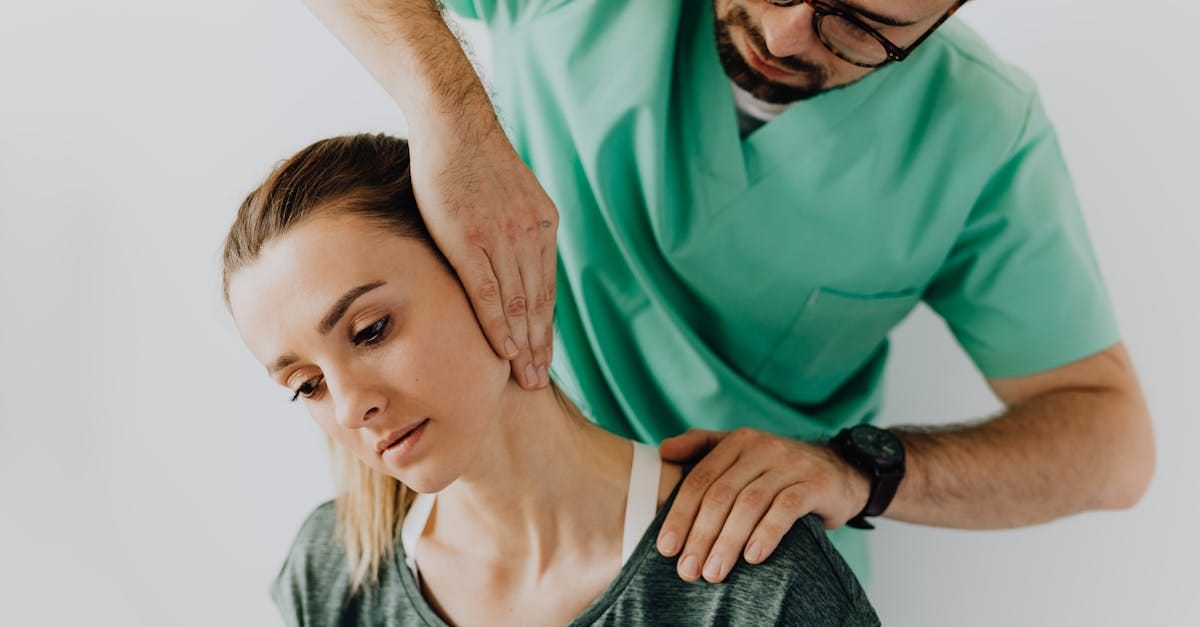
Neurovertebral decompression, through traction devices, allows for gentle mobilization of the joints of the spinal column. This helps to release muscle contractions and reduce pain associated with conditions such as disc herniation, sciatica, and other low back pain issues. This mechanical process optimizes interdiscal space, facilitating the regeneration of cartilage and the delivery of essential nutrients.
Moreover, this method presents significant advantages over medication or surgical treatments. Being a non-invasive therapy, it minimizes the risks of undesirable side effects and enables patients to regain mobility without the drawbacks associated with surgical intervention. Additionally, its natural approach promotes a global balance of the body, which is essential for managing chronic pain.
It is therefore wise to explore the possibilities offered by spinal decompression for treating low back pain. In conjunction with appropriate medical follow-up and strengthening exercises, this treatment can significantly improve patient comfort and quality of life. Many resources and qualified practitioners are available to support those suffering from back pain, providing a pathway to better health and the long-sought relief.
FAQ
Décompression neurovertébrale
Quels sont les bienfaits pour les sportifs utilisant la décompression neurovertébrale?
Elle aide à réduire la douleur et à accélérer la récupération après une blessure liée à la colonne.
Quels sont les risques de ne pas traiter une condition nécessitant une décompression discale?
Sans traitement, les conditions peuvent s’aggraver, entraînant des douleurs chroniques ou des complications neurologiques.
La décompression vertébrale peut-elle prévenir d’autres problèmes de dos?
Oui, elle peut réduire la pression sur la colonne et prévenir les blessures futures.
La décompression neurovertébrale peut-elle traiter plusieurs niveaux de la colonne?
Oui, elle peut être ajustée pour cibler plusieurs zones en fonction des besoins du patient.
Quels sont les bienfaits immédiats d’une séance de décompression neurovertébrale?
Un soulagement de la douleur et une sensation de relaxation sont souvent rapportés après une séance.
Puis-je pratiquer des activités sportives pendant le traitement?
Oui, mais il est important de consulter un professionnel pour adapter les activités selon votre condition.
La décompression vertébrale peut-elle être utilisée pour la sténose spinale?
Oui, elle peut soulager les symptômes de la sténose spinale en réduisant la compression nerveuse.
Quels sont les effets secondaires possibles de la décompression neurovertébrale?
Les effets secondaires sont rares, mais peuvent inclure une légère raideur ou sensibilité après une séance.
La décompression neurovertébrale peut-elle prévenir une intervention chirurgicale?
Oui, elle est souvent utilisée comme alternative non chirurgicale pour traiter les affections de la colonne.
Quels types de douleurs la décompression discale peut-elle soulager?
Elle peut soulager les douleurs cervicales, lombaires et les douleurs irradiantes.
La décompression discale est-elle adaptée aux personnes ayant des implants dans la colonne?
Cela dépend des implants; une évaluation par un professionnel de santé est nécessaire pour déterminer l’adaptabilité.
Quels sont les résultats à long terme de la décompression vertébrale?
Les résultats incluent une réduction durable de la douleur et une amélioration de la mobilité de la colonne vertébrale.
La décompression vertébrale peut-elle améliorer la qualité de vie?
Oui, en soulageant la douleur chronique, elle permet aux patients de retrouver une meilleure qualité de vie et des activités normales.
Comment se déroule une séance typique de décompression neurovertébrale?
La séance commence par un positionnement confortable, suivi d’un étirement doux et progressif de la colonne vertébrale pour réduire la pression sur les disques.
La décompression neurovertébrale peut-elle aider après une chirurgie de la colonne?
Oui, elle peut être utilisée pour améliorer les résultats post-chirurgicaux, sous supervision médicale.
Quels sont les bienfaits de la décompression vertébrale?
Les bienfaits incluent une réduction de la douleur, une amélioration de la mobilité et une diminution des engourdissements ou picotements.
Combien de séances sont nécessaires pour un traitement de décompression?
Un programme typique comprend entre 15 et 25 séances, selon la gravité de la condition.
Combien de temps faut-il pour observer des résultats avec la décompression neurovertébrale?
Certains patients constatent une amélioration dès les premières séances, tandis que d’autres nécessitent plusieurs semaines de traitement.
La décompression neurovertébrale est-elle douloureuse?
Non, le traitement est généralement confortable et peut même être relaxant.
La décompression neurovertébrale est-elle efficace pour les hernies discales?
Oui, elle est particulièrement efficace pour réduire les douleurs liées aux hernies discales.
Wong, L. K., Luo, Z., Kurusu, N., & Fujino, K. (2013). Cervical spine simulation model for traction therapy analysis. Proceedings of the 2013 IEEE/SICE International Symposium on System Integration, 516–520. https://ieeexplore.ieee.org/abstract/document/6776747/
Vanti, C., Saccardo, K., Panizzolo, A., Turone, L., Guccione, A. A., & Pillastrini, P. (2023). The effects of the addition of mechanical traction to physical therapy on low back pain? A systematic review with meta-analysis. Acta Orthopaedica et Traumatologica Turcica, 57(1), 3. https://www.ncbi.nlm.nih.gov/pmc/articles/PMC10151852/
Shahin, M. M., Ghazaly, A.-E. A.-H., Hasseb, A. E.-S. A., & Gomaa, B. M. (2024). Assessment of Spine MED® Traction Effect on Cervical Disc Herniation: Correlation Between MRI and ODI/VAS Score: A Randomized Study. Al-Azhar International Medical Journal, 5(3), 19. https://aimj.researchcommons.org/journal/vol5/iss3/19/
Bonjour, je m'appelle Victor. En tant qu'expert clinicien en décompression neurovertébrale, je suis passionné par le soulagement des douleurs chroniques et l'amélioration de la qualité de vie de mes patients. Avec plusieurs années d'expérience dans le domaine, je mets mes compétences au service de votre bien-être. N'hésitez pas à me contacter pour toute question ou consultation.
Avis de non-responsabilité médicale
Les informations et conseils fournis sur ce site ne remplacent pas l’avis, le diagnostic ou le traitement d’un professionnel de la santé. Veuillez noter que l’auteur de cet article n’est ni médecin ni spécialiste d’une spécialité médicale telle que définie par le Collège des médecins du Québec. La médecine manuelle, la médecine fonctionnelle et la médecine sportive telles que décrites sur ce site excluent tout traitement ou diagnostic médical posé par un médecin ou un spécialiste médical. Consultez toujours votre médecin pour toute question médicale. Pour plus de détails, veuillez lire notre Avis juridique complet.